
Harnessing the Power of Visual Learning: Using Images to Teach Palestine
September 28, 2023
Teaching about Palestine requires a thoughtful approach. If not done with understanding, teaching about Palestine and the people can reduce the culture of the Palestinians to one-dimensional beings. One effective way to engage students and foster a deeper understanding of this region’s history, culture, and people is through the use of compelling images. In this blog post, we will explore how images, including resources that can be used as valuable educational tools to teach about Palestine, its rich heritage, and its geopolitical situation.
1. Historical Imagery
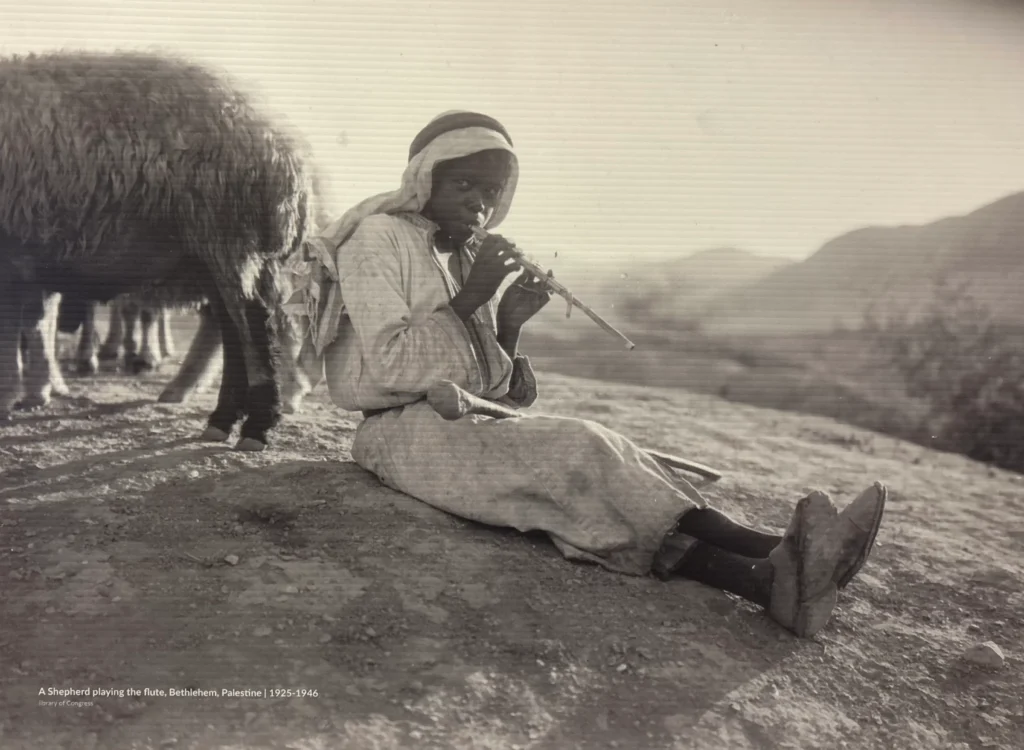
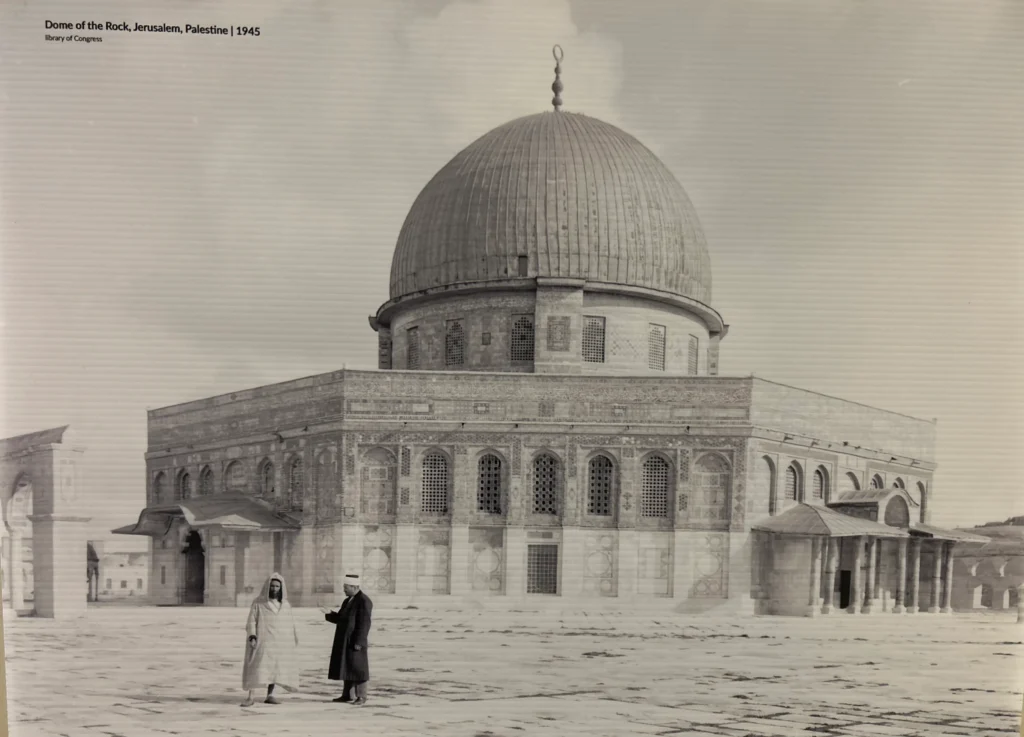
Images from Palestine’s history provide a visual timeline that can help students grasp the region’s long and diverse past. Start with photographs of ancient archaeological sites like Jericho, Bethlehem, and Nazareth, showcasing the historical significance of the area. Moving forward in time, share images from the Ottoman Empire era, the British Mandate period, and the early days of the Israeli state. These visuals can be powerful tools for discussing the historical context of the Palestinian struggle.
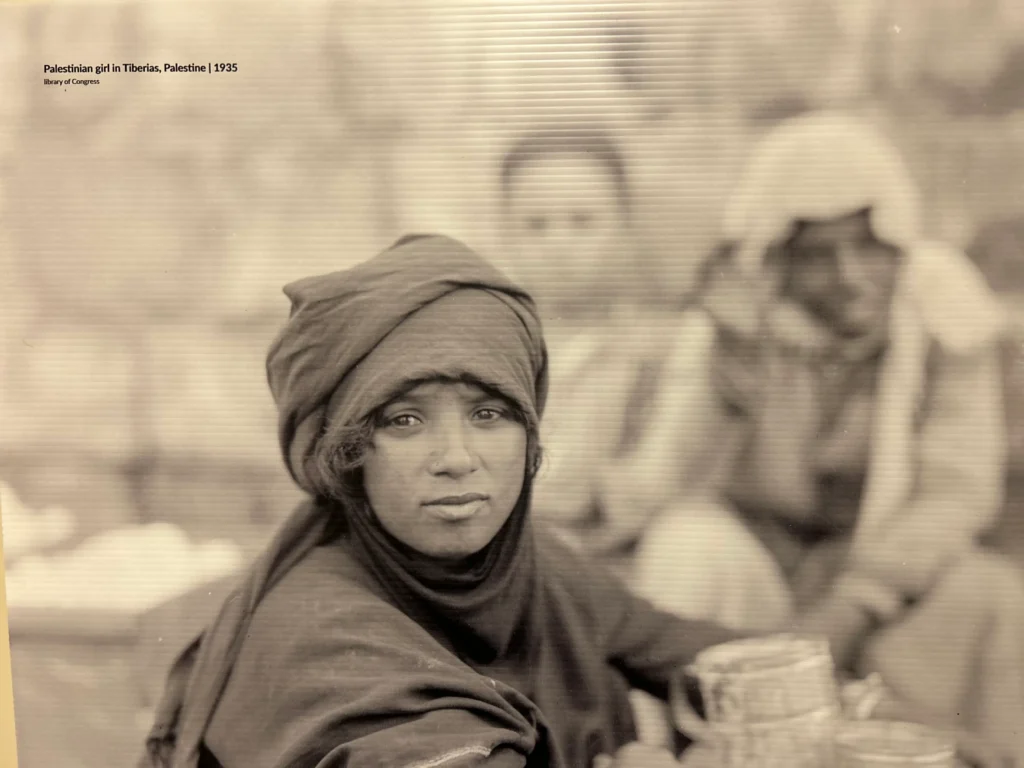

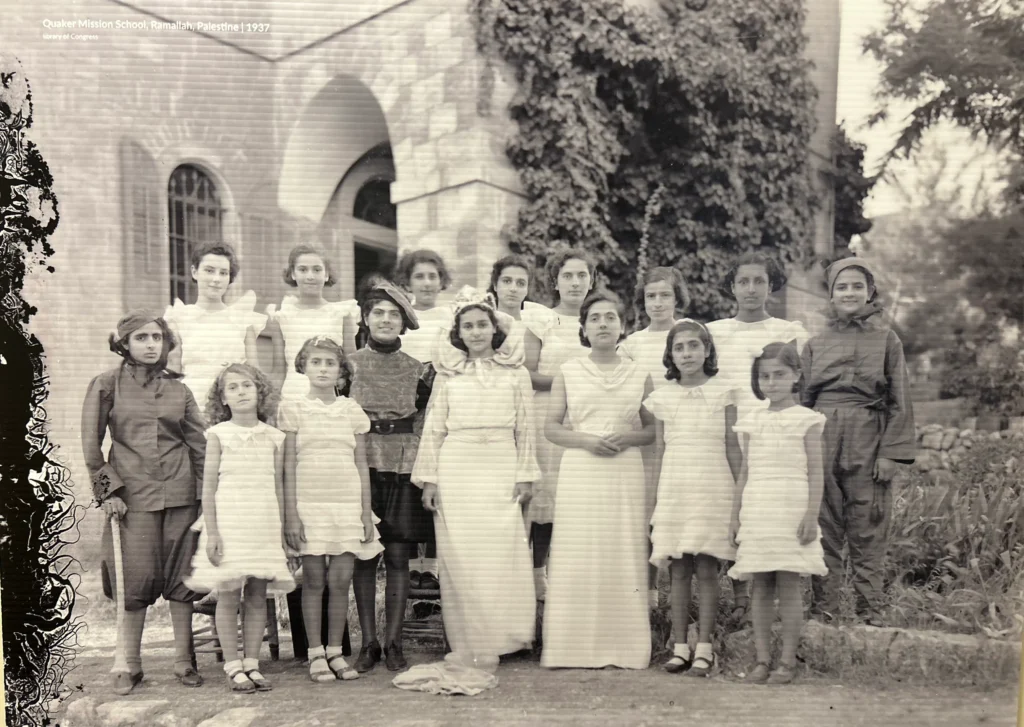
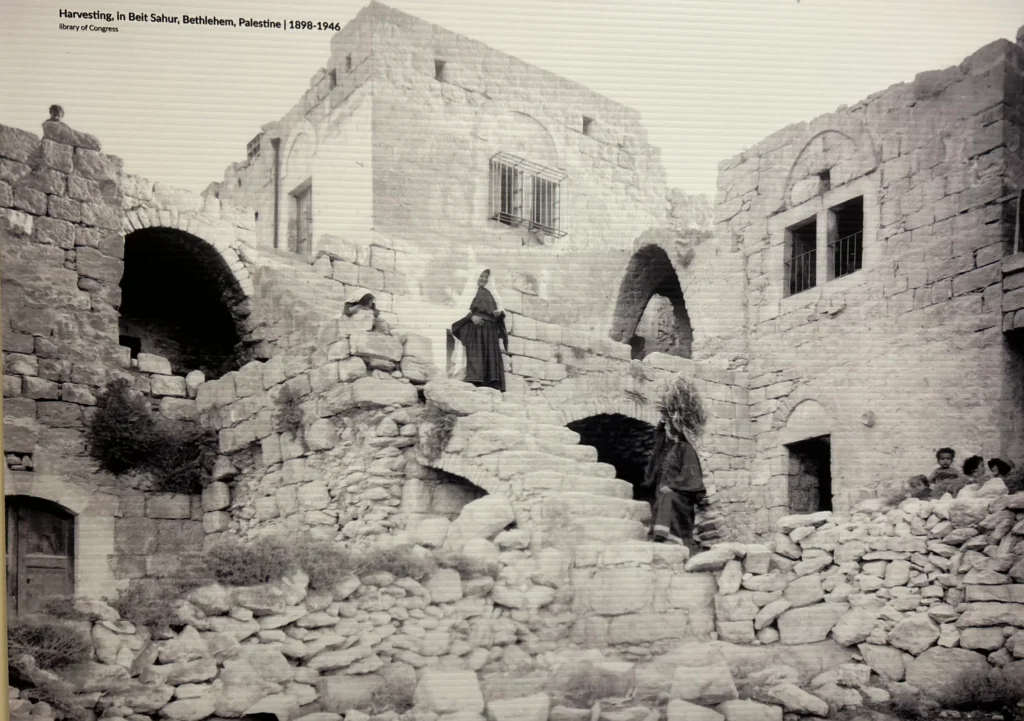
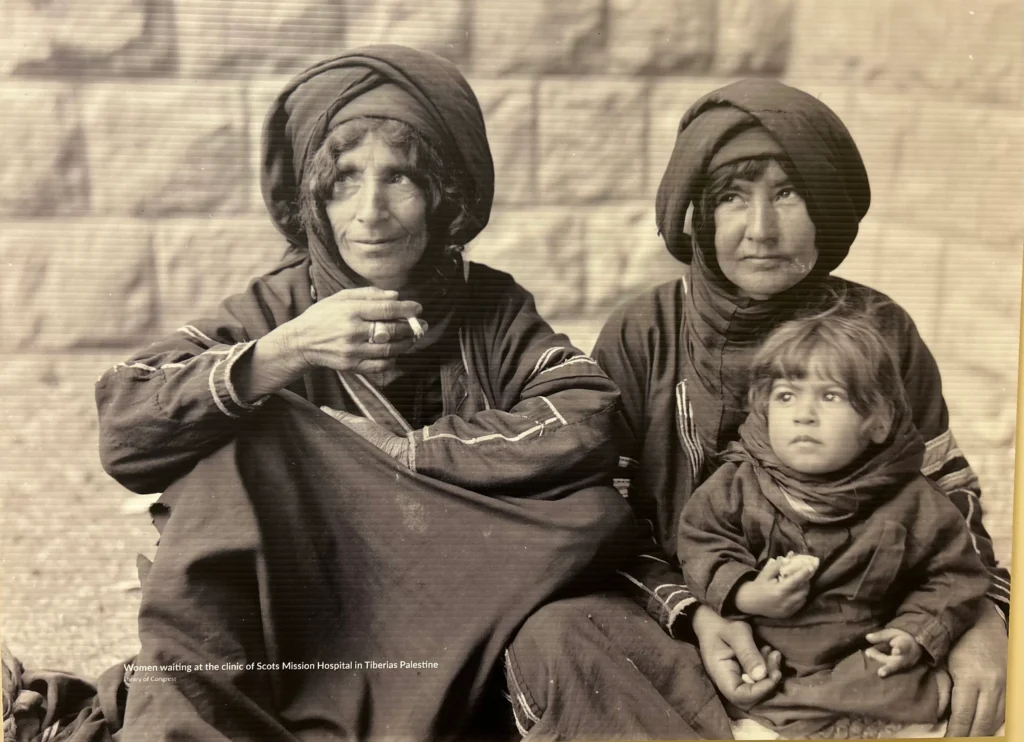
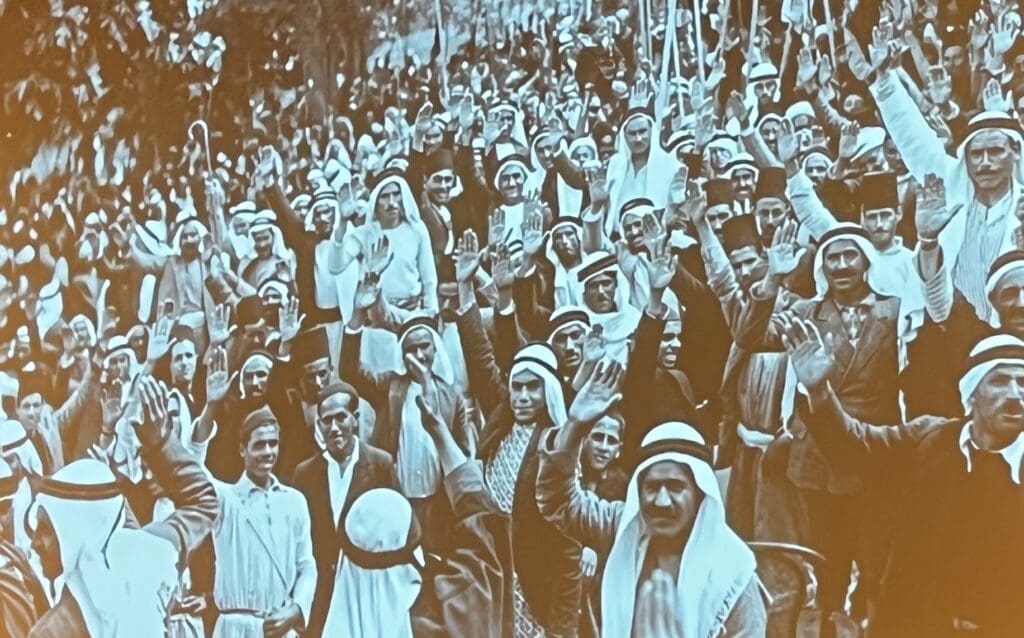
2. Cultural Diversity
Palestine is known for its rich cultural diversity, and images can vividly illustrate this. Share photographs of Palestinian cities, villages, and landscapes, highlighting the vibrant markets, traditional clothing, and delicious cuisine. These images can help students appreciate the cultural heritage of the Palestinian people.
3. Refugee Camps
Introduce students to the ongoing Palestinian refugee crisis through images of refugee camps. These powerful visuals can humanize the struggle and raise important questions about displacement, identity, and the right to return. It’s essential to approach this topic with sensitivity, emphasizing empathy and understanding.
4. The Wall
Discuss the Israeli West Bank barrier, often referred to as the “Wall,” using images that depict its impact on Palestinian communities. Show students the physical and psychological divisions it creates and its effects on daily life. Encourage critical thinking about the wall’s purpose and consequences.
5. Peaceful Protests
Highlight images of peaceful protests and activism in Palestine. These visuals can demonstrate the resilience of Palestinian people in the face of adversity. Discuss how nonviolent resistance plays a role in the struggle for justice and self-determination. Compare the protests of the Palestinian people to those of the movements in South Africa against Apartheid or Northern Ireland’s fight against British occupation.
6. Artistic Expression
Explore Palestinian art and the ways it addresses the Palestinian experience. Share images of powerful murals, paintings, and sculptures created by Palestinian artists. Discuss how art can be a form of cultural expression and a means of raising awareness about the Palestinian cause.
7. Contemporary Issues
Use images from recent events to discuss contemporary issues in Palestine, such as the Gaza invasion, settlements, and access to resources. Encourage students to analyze these images critically and consider the perspectives of different stakeholders.
8. Thinking Routines
Thinking routines are structured approaches or frameworks designed to promote critical thinking, reflection, and deeper understanding in various learning contexts. They help individuals, particularly students, develop their thinking skills and make their thought processes more visible. One to use for images is a See-Think-Wonder.
Conclusion
Teaching Palestine through images can be a compelling and effective way to engage students in learning about this ongoing struggle. By incorporating historical, cultural, and contemporary visuals, educators can help students develop a deeper understanding of Palestine’s history, culture, and ongoing challenges. It’s important to approach this topic with sensitivity and encourage open and respectful dialogue in the classroom. Through the power of imagery, we can foster empathy, critical thinking, and a more informed perspective on how to teach Palestine.
Teaching Palestine Resources
- Visualizing Palestine
- Interactive Timeline of Palestine’s History
- BBC-Israel Profile Timeline
- What are Israeli Settlements, and why are they such a big deal?
- Independence or Catastrophe?
- Teach Palestine
- Just Vision
- La La Lil Jidar
I hope you found this post helpful and informative! If you have any questions thoughts or would like to discuss Teaching Palestine further, please feel free to get in touch. I’m always open to connecting with my readers!
- Email me at altaired75@gmail.com OR altaired75@outlook.com
- Connect with me on LinkedIn: @altaireducation
- Follow me on Instagram: @altairedconsult
- Drop a comment below, and I’ll get back to you as soon as possible!
Keep exploring, and stay curious!
In Solidarity, Abeer Ramadan-Shinnawi, MEd.