


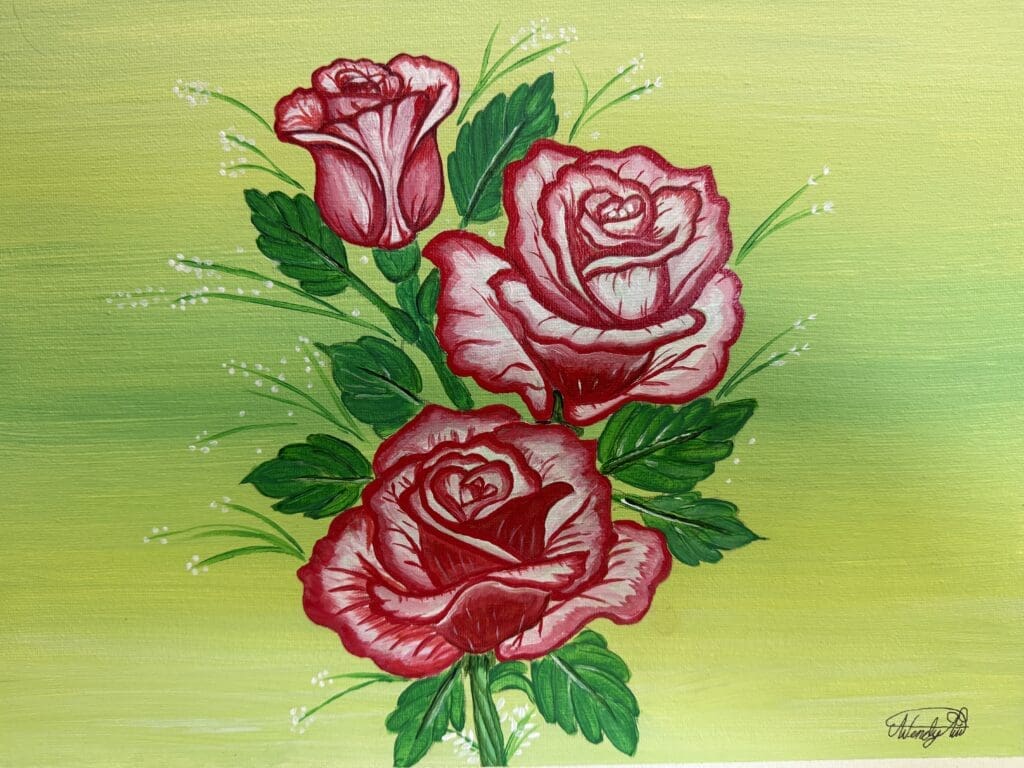
Artwork by @wendyflorespaint
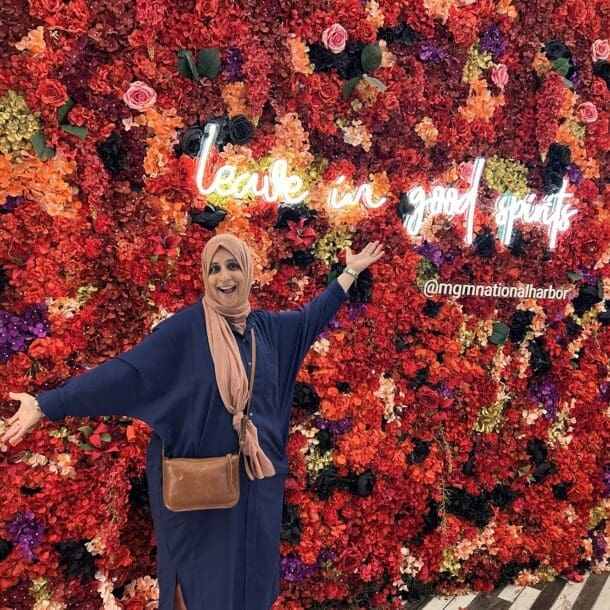
Our names are more than just words. They carry stories, meanings, and connections that tie us to our heritage, our families, and our roots. For me, my name means “the fragrance of flowers” in Arabic; a beautiful reminder of life’s natural grace and the importance of embracing our unique identities. Yet, like many others, my relationship with my name has not always been one of pride. It has been a journey through insecurity and self-discovery, shaped by cultural misunderstandings, societal pressures, and, ultimately, self-acceptance.
The Power of Names
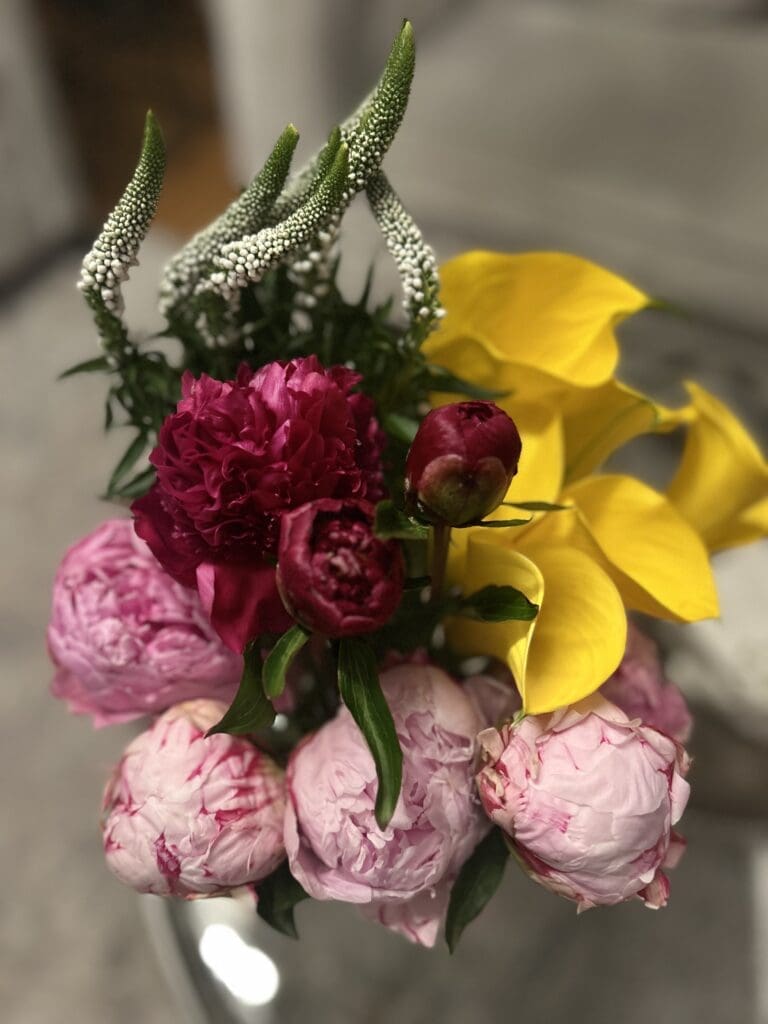
Names hold power. They are often the first impression we leave on others, a mark of individuality yet also a link to collective identity. My name, Abeer, is a connection to my Arabic heritage. Its meaning, fragrance, aroma or beautiful scent evokes images of blooming gardens and the fragrant air of spring drawing deep and beautiful connotations that symbolize growth and beauty. A testament to culture’s unique ability to embed poetry and artistry into their everyday lives, especially something as fundamental as naming a child.
Yet, for many of us who grow up straddling multiple cultures, our names can become a source of discomfort. They are often mispronounced, shortened, or replaced entirely to make them more “acceptable” or “palatable” for others. These seemingly small accommodations can have a deep impact, leading to feelings of alienation or a desire to erase parts of ourselves to fit in.
Growing Through Insecurity
I vividly recall moments when I hesitated to correct people for mispronouncing my name. I’d shrink into myself, allowing the incorrect version to take root, not wanting to seem “difficult” or “different.” When I used to frequent Starbucks, the barista took it upon himself to shorten my name to Abby which later became Abbs. The many times I tried correcting him fell to the abyss. I stopped going. Over time, I realized this wasn’t just about the syllabic pronunciation—it was about my willingness to let go of an essential piece of myself to conform.
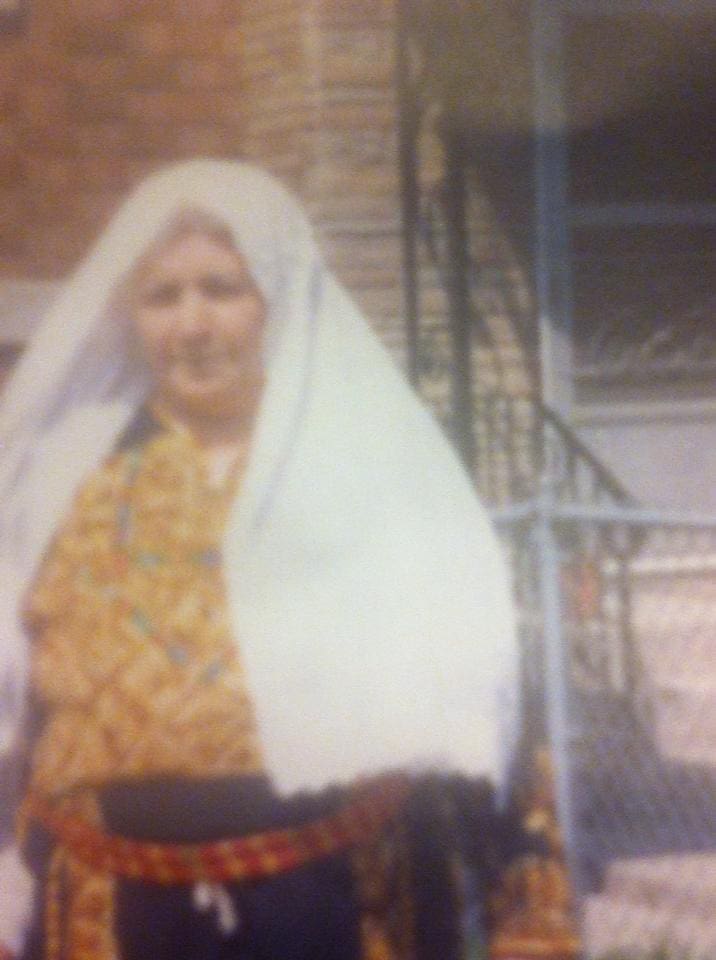
The struggle to embrace my name mirrored my journey to accept my identity as a whole. Being a Palestinian-American and a child of immigrants often meant navigating two worlds, balancing cultural pride with the pressures of assimilation. Going out in public meant not speaking any Arabic with my family or being embarrassed to walk next to my maternal grandmother who wore the traditional thoub despite the fact that I loved going to Palestinian functions-weddings, parties, dinners. My name became a microcosm of this balancing act, a symbol of the parts of myself I was afraid to fully embrace.
Finding Pride in Identity
Over the years, I’ve learned that honoring my name is about more than reclaiming its correct pronunciation. It’s about affirming the richness of my heritage and the resilience of my story. My name connects me to my ancestors and their dreams, their struggles, and their legacies. It reminds me of the beauty that exists in my culture—a culture that values community, poetry, and the symbolic meanings that words can carry.
Learning to love my name also meant challenging the insecurities I had internalized. I began to see the mispronunciations not as personal shortcomings but as opportunities to educate others. I started introducing myself with confidence, taking pride in explaining the meaning of my name and the beauty it represents. This small act of self-assurance has opened doors to deeper conversations about the nuances of identity, culture, and the importance of seeing beyond stereotypes.
Lessons in Blooming
Names, like flowers, are deeply rooted personal yet universally meaningful..
Throughout this journey , I’ve learned a powerful lesson that I wish to impart on anyone who has had a similar struggle: to love ourselves fully, we must accept the parts of us that make us unique. They remind us to stand tall, bloom in our own time, and share our stories unapologetically.
For those who are still learning to embrace their names, I encourage you to reflect on their meanings, the histories they hold, and the love that went into choosing them. Your name is a gift, a reflection of your culture’s beauty and your family’s hopes. It is a reminder that you belong, that your story matters, and that the world is richer for having you in it.
So today, I wear my name with pride. It is redolence of flowers, resilience, and the courage to be unapologetically myself. And for that, I am deeply grateful.
Did you hear about the rose that grew
from a crack in the concrete?
Proving nature’s law is wrong it
learned to walk with out having feet.
Funny it seems, but by keeping its dreams,
it learned to breathe fresh air.
Long live the rose that grew from concrete
when no one else ever cared.
–Tupac Shakur

Let’s connect: I’d love to hear from you!
- info@altairedconsulting.com
- IG: @altairedconsult