

Building Our Voices: How Affinity Groups for Arab and Muslim Girls Transform School Culture
November 14, 2024
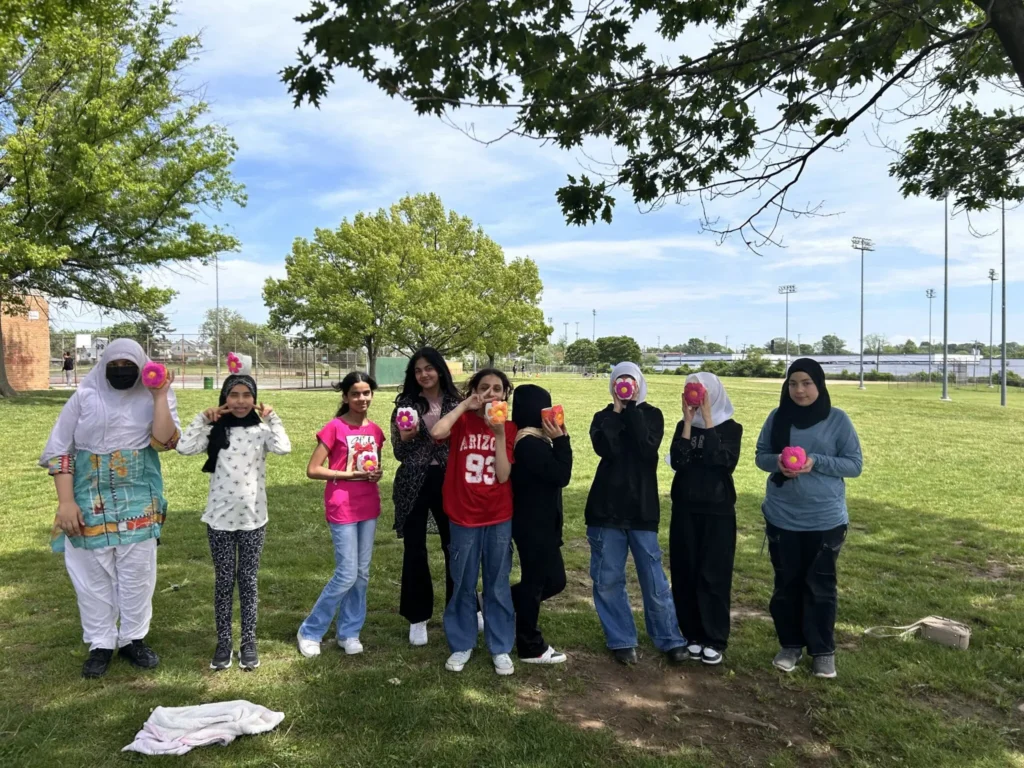
Want to start your own affinity group? Use this free resource: Steps to Start and affinity group
As an educational consultant specializing in equity, utilizing my own lived experience, I help schools and communities establish affinity groups for female students who identify as Arab and/or Muslim. My role centers on creating spaces where these students feel seen, valued, and build their voice. I work with educators and school leaders to design group structures that respect the unique cultural and religious backgrounds of these students while addressing their social-emotional needs. Through coaching, resources, and ongoing support, I ensure these affinity groups become safe havens for students to explore their identities, build connections, and gain the confidence to navigate their educational journey authentically.
Creating these spaces is essential in fostering a sense of belonging for students who may feel marginalized or misunderstood. Affinity groups provide a supportive environment for students to express their experiences and struggles in a safe, non-judgmental setting. These spaces allow young women to discuss the complexities of their identities as Arab and/or Muslim individuals in a world that often misrepresents or misunderstands them. By fostering open dialogue, affinity groups help students embrace their identities and build resilience, which positively impacts their well-being and academic engagement. When students are in these spaces with someone who shares their lived experiences, looks like them and knows exactly what they are experiencing without need explanation, these spaces become sacred.
“It (the group) helped me to relieve stress and as a result, do better academically.”
7th grade student
Beyond providing emotional support, these affinity groups also serve as invaluable sources of “street data” – the qualitative insights that offer an authentic look into students’ lived experiences. This data includes firsthand accounts of the challenges they face, the support they need, and the specific ways in which school culture impacts their sense of belonging. Through these insights, educators and administrators gain a clearer understanding of the unique needs of Arab and Muslim female students, helping them make more informed decisions around curriculum, policy, and community engagement. Street data is a powerful tool for shaping a more inclusive educational environment that is responsive to the voices of those it serves.
Street Data: Teacher comments about their students who were members of the affinity group:
- Teachers indicated that she is still very shy but speaks a bit more in the last few months
- She has demonstrated more confidence and advocates for herself more and she has improved social connections with other girls in the group.
- Teachers indicated she is more social, opened up and communicated more with peers and staff since February (the start month). Improved socially and academically.
- Teachers indicated that she has demonstrated more confidence in practicing her faith and advocating for herself and her cousins who are newcomers to the US.
In my work, I emphasize that affinity groups are not only support networks but also vital feedback channels. They reveal the underlying narratives that often go unnoticed in broader surveys or assessments. Through the personal stories shared within these groups, schools can identify patterns, address gaps, and better align their practices with students’ needs. For educators committed to equity, the insights gained from these groups provide actionable knowledge to create a more inclusive school culture where every student has the opportunity to succeed. Affinity groups, therefore, play a transformative role, bridging the gap between policy and practice and fostering a school community rooted in empathy and understanding.
I think this group was a fantastic experience for these students. I teach L.S and while she’s always excelled in class, I noticed a marked boost in her confidence. I think these students often feel overlooked, but this group was a really nice way for them to find community in our school. Thank you for thinking of them!
Ms. S.
BCPS educator
Want to learn more on how to start an affinity group in your school? Reach out! abeer@altairedconsulting.com